Waves of Displacement from North Kordofan Escalate Due to Blocking of Aid
25 minutes مضتآخر تحديث 2026-11-15
0 1
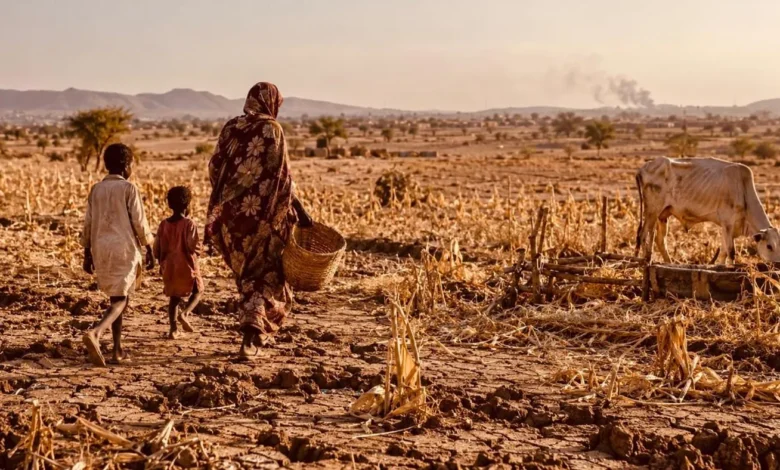
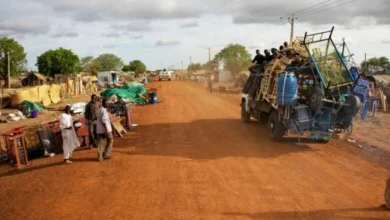
Rhino: Follow-up – The Emergency Lawyers Group has warned of ongoing waves of civilian displacement from the northern and northwestern regions of North Kordofan State toward the city of Al-Daba in Northern State, due to the sharp deterioration in humanitarian conditions resulting from restrictions imposed on the movement of goods and food supplies under emergency orders issued by military authorities, and the resulting severe food shortages and skyrocketing prices, coinciding with the worsening effects of drought and the deterioration of livelihoods.
In a statement, the human rights group noted that most of the displaced people arrive in the city of Al-Daba without shelter, protection, or adequate humanitarian aid, and are forced to remain in the open due to the absence of shelters and basic services.
The statement held the military authorities responsible for withholding aid and food supplies from the affected areas and for refusing to declare a famine despite worsening humanitarian indicators. It explained: “Since the outbreak of the war, only two aid convoys from the World Food Program (WFP) have reached those areas, the most recent of which was in March 2026, consisting of 21 trucks carrying extremely meager quantities compared to the scale of the needs.”
It continued:(In contrast, the arrival of two WFP trucks in the region on September 29 and October 5, 2026, was not the result of aid being allocated to the area or included in humanitarian response routes intended for its residents, but rather occurred out of necessity after both broke down midway during their journeys from Port Sudan, passing through Northern State, toward areas of North Darfur, and were unable to continue to their destinations or return with their cargo to their points of departure, forcing them to unload their cargo in the region).
It added:(This incident reveals a highly telling paradox; the aid that reached these areas during that period was not the result of a deliberate humanitarian response to the escalating needs of their residents but rather arrived incidentally due to the breakdown of trucks that were headed to other areas. This reflects the extent of discrimination and selectivity in determining and directing the destinations of aid and raises serious questions about the subordination of relief flows to political and military considerations rather than to the scale of humanitarian needs, thereby turning aid into a tool in conflict management and leaving civilians in those areas vulnerable to starvation and deprivation).
The Emergency Lawyers Group called for the immediate repeal of emergency orders and restrictions that hinder the delivery of food and supplies to affected areas; for ensuring that humanitarian aid is allowed to pass without discrimination or being subject to military and political considerations; and for the immediate declaration of a state of famine and the adoption of necessary measures to address it.
It also called for an independent and transparent investigation into the policies governing the withholding and routing of aid; the disclosure of the entities that issued and implemented the bans and restrictions, as well as the criteria used to determine which areas would receive supplies and which would not; as well as determining responsibility for the use of humanitarian aid to achieve military and political objectives, and holding all those responsible for these decisions accountable for the resulting deprivation of civilians and the endangerment of their lives.
The statement called for the provision of urgent food and medical aid to displaced persons and the establishment of temporary shelters in the city of Al-Daba to ensure their protection and meet their basic needs.
The Emergency Lawyers Group emphasized that starving civilians and using food as a weapon of war—or deliberately obstructing access to humanitarian aid and directing it in a discriminatory manner to achieve military or political objectives—constitutes a grave violation of the rules of international humanitarian law and warrants accountability, and that the protection of civilians and the guarantee of their right to food and life must not be subject to the calculations of war or exploited to serve the interests of the parties to the conflict.