1,117 Displaced Persons Arrive in Tawila, North Darfur, Between November 6 and 11
54 minutes مضتآخر تحديث 2026-11-12
0 1
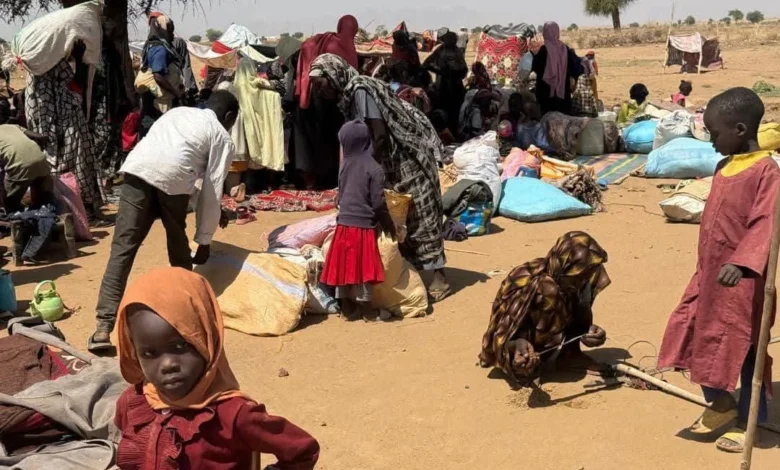
Rhino: Follow-up – The Tawila area in North Darfur State received 1,117 displaced persons, representing 223 families, between November 6 and 11, They came from areas in North and South Darfur states as part of a new wave of displacement that a spokesperson for the General Coordination Office for Internally Displaced Persons and Refugees said was linked to worsening hunger, rising prices of basic commodities, scarce rainfall, and a poor agricultural season.
The Coordination’s official spokesperson, Adam Rajal, explained in a field report released Thursday that the arriving families were temporarily housed in the Tawila al-Amda camp, with plans to later transfer them to the New Tina camp, one of the newly established camps in the region.
The report noted that the new arrivals came from areas northeast of Malit and Tarbo in North Darfur State, and east of Marasheng and its outskirts in South Darfur State, following the deterioration of living conditions and worsening food insecurity in their regions.
According to the Coordination Office, hunger, a sharp rise in the prices of basic commodities, scarce rainfall, and a poor agricultural season have led to a decline in food and income sources, forcing families to leave their areas in search of food and the means to survive.
The arriving groups included large numbers of women, children, and the elderly, as well as other highly vulnerable populations, thereby increasing their needs for food, drinking water, shelter, health care, sanitation services, protection, and psychosocial support.
This new wave of displacement comes amid signs of a decline in agricultural production in Sudan during the current season due to lack of rainfall and drought, as well as ongoing conflict, a shortage of production inputs, and lack of access to some agricultural lands.
The report noted that the new arrivals came from areas northeast of Melit and Tarbo in North Darfur State, and east of Marasheng and its outskirts in South Darfur State, following the deterioration of living conditions and worsening food insecurity in their regions.
According to the Coordination Office, hunger, a sharp rise in the prices of basic commodities, scarce rainfall, and a poor agricultural season have led to a decline in food and income sources, forcing families to leave their areas in search of food and the means to survive.
The arriving groups included large numbers of women, children, and the elderly, as well as other highly vulnerable populations, thereby increasing their needs for food, drinking water, shelter, health care, sanitation services, protection, and psychosocial support.
This new wave of displacement comes amid indications of a decline in agricultural production in Sudan during the current season due to lack of rainfall and drought, as well as ongoing conflict, a shortage of production inputs, and lack of access to some agricultural lands.
The Food and Agriculture Organization of the United Nations (FAO) stated that the rainy season between June and September 2026 saw below-average rainfall in most agricultural regions, which affected crop germination and growth, and warned of the risk of a decline in grain production.
In Darfur, previous field reports indicated that poor rainfall, crop failures, and food shortages contributed to driving families to flee toward Tawila, particularly from the Marasheng sub-region in South Darfur State. Reports also warned that the combined effects of war, drought, and rising prices are exacerbating food insecurity and increasing pressure on host communities and camps for displaced persons.
The Food and Agriculture Organization of the United Nations (FAO) said that the rainy season between June and September 2026 saw below-average rainfall in most agricultural regions, which affected crop germination and growth, and warned of the risk of a decline in grain production.
In Darfur, previous field reports indicated that poor rainfall, crop failures, and food shortages contributed to driving families to flee toward Tawila, particularly from the Marasheng sub-region in South Darfur State. Reports also warned that the combined effects of war, drought, and rising prices are exacerbating food insecurity and increasing pressure on host communities and camps for displaced persons.
These developments coincide with a funding shortfall for the humanitarian response in Sudan; according to funding data published as of last June, contributions received by humanitarian actors amounted to only about 41.2 percent of the total funding required for the 2026 Humanitarian Response Plan, which stands at $2.87 billion. The lack of resources has led to the scaling back of some humanitarian programs, limiting organizations’ ability to meet the growing needs of the displaced.
The General Coordination Office for Displaced Persons and Refugees called on the United Nations, humanitarian organizations, and relevant stakeholders to take urgent action to provide life-saving assistance and strengthen the long-term response, in proportion to the number of new arrivals and the limited resources available.
Coordination Office spokesperson Adam Rajal said that the arrival of 1,117 people over six days reflects the interplay of the war’s repercussions with hunger, climate change, and the deterioration of basic living conditions, stressing the need to protect civilians and urgently meet their humanitarian needs.