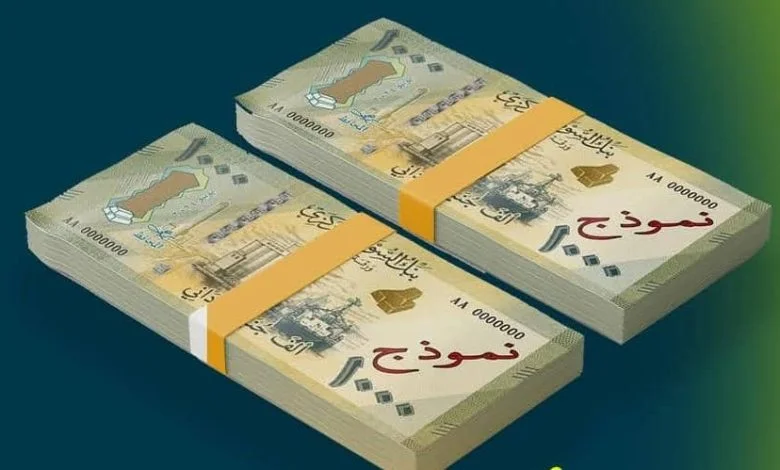
Rhino: Follow-up – The Sudanese pound recorded a new decline against foreign currencies last October, with the average selling price of the U.S. dollar on the parallel market rising by 26.02%, reaching 10,500 pounds on November 1, compared to approximately 8,332 pounds at the beginning of October—a new indication of the mounting economic pressures facing the country as the war continues and productive activity declines.
According to data on exchange rates in the parallel market, the average buying rate for the dollar rose from 8,200 pounds to 10,300 pounds, an increase of 25.61%, while the selling rate exceeded the 10,000-pound mark for the first time, according to the aforementioned data.
The wave of increases extended to other foreign currencies, as the selling price of the Saudi riyal rose by 26.12%, the UAE dirham and the Qatari riyal by 26.02% each, and the euro by 25.07%.
The increase was not limited to the dollar; the British pound recorded the highest relative increase among the currencies mentioned, rising 27.30% in selling prices.
This decline comes amid the ongoing war, now in its fourth year, and its resulting destruction of broad sectors of the economic infrastructure, disruption of production and commercial activities, decline in exports, and disruption of trade and supply chains, as well as the fragmentation of financial and administrative institutions and the erosion of the state’s ability to manage monetary policy.
The rise in the dollar’s value leads to higher costs for importing basic goods, production inputs, fuel, and medicines, which directly affects the prices of goods and services and further erodes citizens’ purchasing power—especially amid declining incomes, widespread poverty, and displacement.
Furthermore, the continued depreciation of the Sudanese currency places additional strain on households that rely on remittances from abroad, as the real value of local incomes is eroding faster than citizens’ ability to adapt to successive price increases.
With the war continuing and the absence of a political settlement that would allow for the restoration of institutional and economic stability, the prospects for restoring confidence in the Sudanese pound appear limited, at a time when fears are growing that the exchange rate crisis will lead to even higher levels of inflation and a further deterioration in living conditions.