Khartoum is witnessing organized looting and pillaging a year after the Sudanese army entered the city and the Rapid Support Forces, which had previously been accused of being primarily responsible for these violations, left.
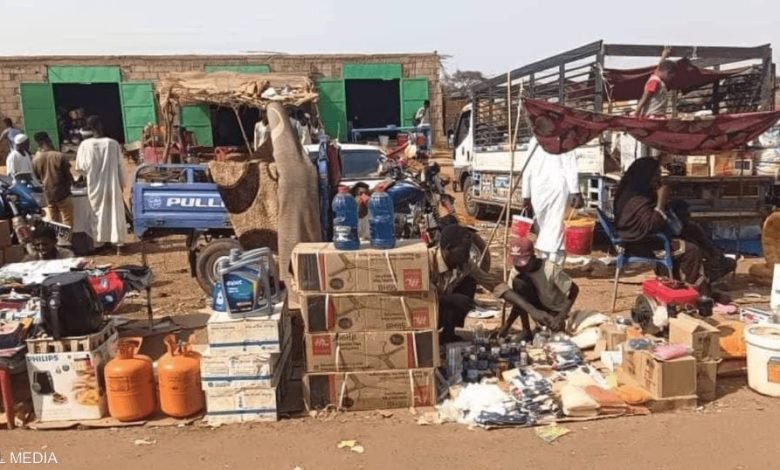
According to sources on the ground, some areas of Khartoum have turned into open markets for the sale of looted property, including household furniture, factory equipment, medical devices, and infrastructure materials, which are openly displayed and sold without fear of prosecution.
Local testimonies indicate that individuals wearing military or security uniforms are suspected of involvement in looting, either through direct participation in theft and robbery, or indirectly through protection, connivance, or assistance in the transport and sale of stolen goods.
Residents in the areas of East Nile, South Belt, and Omdurman say that recent security campaigns in residential neighborhoods have uncovered large quantities of looted property inside civilian homes, raising questions about the lack of oversight and accountability, especially given the presence of regular forces in those areas.
According to testimonies from residents and activists, soldiers from the Sudanese army, along with members of allied militias, are looting and pillaging citizens in various neighborhoods of the capital, Khartoum.
These testimonies indicate that some of the violations took place during security raids carried out under the pretext of searching for sleeper cells affiliated with the Rapid Support Forces. Eyewitnesses confirm that these raids included the confiscation of money, phones, and electrical appliances, in addition to personal belongings from homes and shops.
Local sources add that the repetition of these practices has contributed to deepening the state of fear and mistrust between the population and the forces deployed on the roads and has raised questions about the limits of legal authority and the mechanisms of oversight and accountability within the state apparatus. World Food Program warns of food shortages in Sudan.
An economy based on looting:
According to consistent accounts, looting is no longer an isolated individual practice, but has become more like an organized informal economy, run by networks that dismantle the city’s infrastructure, including stealing copper from electricity networks and cables, before reselling it or smuggling it out of the country.
Observers confirm that these activities continue with the knowledge of local authorities or under official silence, exacerbating the state of lawlessness and undermining citizens’ trust in government institutions.
Social researcher Abdul Jalil Hussein told Sky News Arabia that what is happening in Khartoum reflects a shift in looting from individual behaviors associated with war conditions to a more complex social and economic pattern, fueled by lawlessness and weak regulatory and supervisory institutions.
He believes that “the absence of clear accountability and the blurring of roles between the regular forces and the militias allied with them have contributed to the normalization of these practices within some local communities, leading to an erosion of trust between citizens and the existing authorities.”
Hussein warned that the continuation of this situation not only threatens the daily security of civilians but also undermines the foundations for rebuilding the state after the war, stressing that addressing the phenomenon requires comprehensive security reform, strict legal measures, and social policies that restore the rule of law and provide protection for the most vulnerable groups.
Civilians pay the price:
The suffering of civilians is exacerbated, especially the more than 10 million displaced persons, according to UN estimates, who face the risks of extortion, theft, and violence as they move in search of refuge, in the absence of protection and deteriorating security conditions.
Human rights organizations warn that the continuation of organized looting, especially with the participation or connivance of regular forces, constitutes a serious violation of international humanitarian law and further complicates the prospects for restoring security and stability.
Analysts believe that the continuation of these practices after the rapid withdrawal of support from Khartoum highlights a deeper crisis within the security system and raises serious questions about the authorities’ ability to enforce the rule of law and hold those involved accountable, regardless of their positions or affiliations.