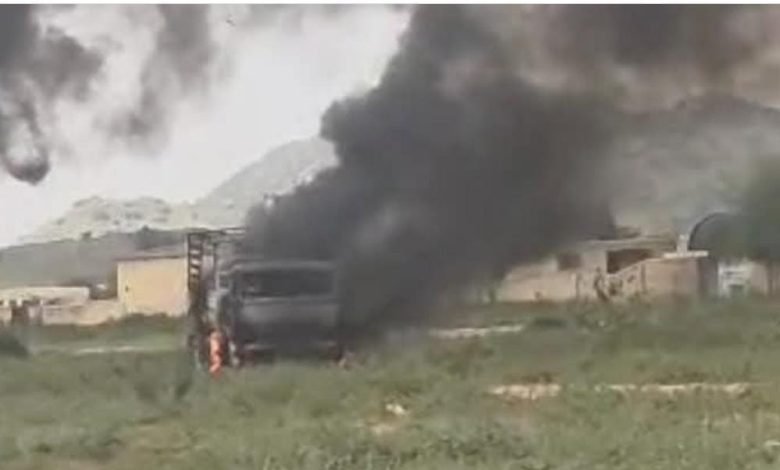
Observers have warned of a danger lurking for the residents of Khartoum due to possible contamination from the army’s use of chemical weapons in battles in the capital, ruling out a return to normal life there in the near future. Four local experts submitted a report to international organizations, including Human Rights Watch, containing “conclusive evidence confirming the existence of dangerous chemical leaks in a number of areas in Khartoum,” warning that government buildings, universities, and schools in the center of the capital are affected by this pollution.
For his part, former UN legal adviser Ismail Abdul Hay Madwi said that the danger of the area had prompted the relocation of government headquarters from central Khartoum, considering that “the United States’ imposition of direct sanctions on the army commander for using chemical weapons confirms the seriousness of the evidence it possesses.”
Concerns are growing about the impact of this crisis on the health of the population, especially with reports of attempts to cover up the truth about chemical pollution, at a time when field evidence continues to point to the possible use of prohibited weapons in populated areas.
Abdul Majid Mardas, a member of the Royal Society for the Promotion of Health, said that the problem with chemical contamination is that it has long-term effects on humans, animals, plants, air, and soil.
Mardas added, in an interview with Sky News Arabia, that chemical spills in residential areas are among the most serious environmental and health incidents, noting that their impact depends on the type of chemical, its concentration, the duration of exposure, and the nature of the area.