Sudan has been living in a state of instability since the outbreak of war on April 15, 2023, between the army forces led by General Abdel Fattah al-Burhan, backed by the battalions and militias of the Sudanese Islamic Movement, against the Rapid Support Forces led by General Mohamed Hamdan Daglo (Hemedti).
Recently, and specifically two days ago, worrying developments emerged. Al-Burhan announced his intention to arm certain tribes, which warns of the risk of dragging the country towards a large-scale civil conflict that extends to tribal and ethnic conflicts that could harm the social fabric and undermine the country’s unity.
Opening weapons stores at Al-Sabbagh police station and arming the Shukriya tribe:
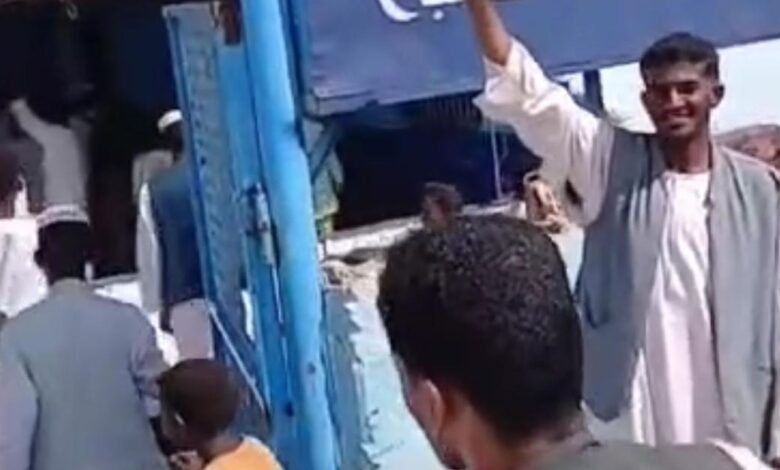
On Friday, October 25, videos and photos circulated in the media and social media showing a crowd of citizens from al-Sabbagh area in al-Batana locality, a stronghold of the ancient Shukriya tribe in the east of the country, storming the al-Sabbagh police station of the Gadaref State Police Headquarters to obtain weapons and ammunition, and some were seen coming out loaded with them.
The indiscriminate flow of weapons into civilian hands, encouraged by the military leadership, poses a direct threat to national security and is the beginning of the transformation of the conflict from an organized military conflict into ethnic and tribal conflicts.
The danger of arming tribes to peace and security:
According to an expert and political analyst who spoke to us, he said that by analyzing the current situation, it can be said that the policy of arming tribes will lead to the following effects:
– Fueling tribal conflict: Opening arms depots and empowering certain tribes will antagonize other tribes and motivate them to acquire weapons for self-defense. This heightened tension will push the country towards an all-out tribal conflict that will increase insecurity across the country.
– Weakening social peace: The militarization of tribes poses a threat to Sudan’s cohesive social fabric by turning tribal differences into armed conflicts, destroying the social and cultural structure and sowing the seeds of discord and division among citizens who have long coexisted together.
– Expanding the scope of the war and increasing casualties: The presence of weapons in the hands of tribes increases the likelihood of large-scale confrontations between different ethnic and tribal factions, leading to a high number of civilian casualties and prolonging the war, making it difficult to stabilize or reach a peaceful settlement in the future.
– Turning the country into tribal cantons:
The increase in armed tribal conflicts is pushing Sudan towards turning into small tribal spheres of influence run by local groups without a strong central government, which threatens to break up the country into small states that follow the interests of local leaders and warlords.
Political and security dimensions: The role of the dissolved National Congress and the transformation of the conflict into an ethnic war:
Army Commander Abdel Fattah al-Burhan is accused of practicing a policy aimed at transforming the military conflict into a tribal conflict, with the support and planning of the National Congress, the political arm of the Muslim Brotherhood. By arming the tribes, the Islamist organization is clearly seeking to turn the military conflict into an all-out ethnic war that will drain the energies of the people and cause Sudan to lose its unity. It can be said that this plan aims to repeat the scenario of dividing Sudan (Sudan and South Sudan) and tearing it into rival ethnic and tribal states, as is happening now by igniting tribal strife, spreading and exaggerating stories of rapes, tribal and racist recordings, and ultimately the plan to tear Sudan into narrow and weak groups and entities.
Social and humanitarian repercussions of arming tribes:
Opening the door to arming tribes has a negative impact on Sudanese society as a whole. Tribes that possess weapons may commit violations against other tribes, leading to the forced displacement of the population and the collapse of basic services such as health and education. This would push more citizens into poverty and homelessness and lead to widespread chaos and insecurity.
An uncertain future:
The militarization of the tribes represents a dangerous step against Sudan’s unity and territorial integrity, a threat that must be confronted consciously and decisively. The continuation of these policies will only deepen the conflict and prolong the war, leading the country into an uncertain future dominated by warlords from extremist religious and tribal groups, as has happened in other countries in the region. All Sudanese must reject racism and tribalism and commit to working for the unity of the country and protect it from slipping into chaos and all-out tribal warfare.