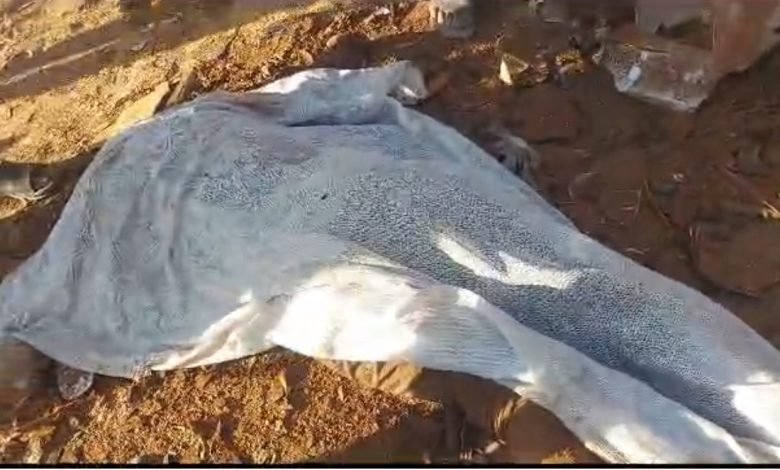
Since the outbreak of the war between the army and the Rapid Support Forces (RSF) on April 15, 2023, Sudan has witnessed a series of tragic events that have directly affected civilians, especially in Darfur and Kordofan. Among the most prominent of these violations was the army’s use of warplanes against civilian areas, under the allegation that they are “social incubators” for the RSF. This approach has not only resulted in large numbers of casualties among innocent civilians, but has also contributed to deepening the humanitarian crisis and increasing ethnic divisions and tensions, threatening to turn the war into an all-out, protracted ethnic war.
Aerial bombing strategy:
The military’s aerial bombardment of towns and villages in Darfur and Kordofan does not appear to be indiscriminate but appears to be part of a military strategy aimed at hitting areas whose social components the military sees as the RSF’s main human reservoir. However, this justification raises many questions about its morality and legitimacy, as large residential, economic and civilian communities that have nothing to do with the armed conflict are being targeted. Hospitals, markets, and basic infrastructure have become direct targets of these attacks, exacerbating the humanitarian situation in the affected areas.
Implications of the bombing for social peace:
The targeting of the RSF’s so-called “social cores” was not just a military action but has led to disastrous results in terms of social peace. Targeting civilians based on their ethnicity, region, and presence in certain areas reinforces feelings of persecution and hatred and pushes society towards further ethnic division.
Social media, in particular, have become platforms of hate for some pro-war voices, calling for an escalation of violence against specific ethnic groups, further fueling hate speech and division.
History repeats itself:
This type of targeting is not new in Sudan. During previous wars in Darfur and the Nuba Mountains, the Sudanese army used the same methods to bomb civilian areas. The difference this time lies in the scale and intensity of the operations. Large population centers and weekly markets are now being targeted, as happened in the markets of Kuma in North Darfur and Hamra al-Sheikh in North Kordofan. These deliberate airstrikes aim to inflict as many casualties as possible, regardless of the political affiliations or positions of the population.
Bombing and ethnic tensions:
As airstrikes on civilians escalate, ethnic tensions in Darfur and Kordofan are on the rise. The perception of being targeted on an ethnic or geographical basis leads to increased feelings of hostility and revenge among social groups.
These violent dynamics have the potential to turn the current military conflict into an all-out ethnic war, further complicating the political landscape and making future national reconciliation efforts difficult.
Bombing and its negative effects on the military:
In military terms, the army seems to be using aerial bombardment as a substitute for its failure to achieve tangible field progress against the RSF in those areas. However, this strategy has not achieved the desired goals, has increased popular tensions, and may be counterproductive. Instead of weakening the RSF, this bombing may push more youth to join the ranks of the RSF to retaliate against the army, as is happening these days where large groups of youth from those areas are joining the ranks of the RSF, following the call for one million fighters launched by its commander (Hemedti). Or they may establish separate armed groups, contributing to the expansion of violence and the prolongation of the war.
International law and humanitarian violations:
Aerial bombardment of civilians is a flagrant violation of international humanitarian law, which criminalizes the targeting of civilians during armed conflicts. International human rights organizations have expressed their deep concern over the continuation of these attacks, calling for an immediate end to the targeting of civilian areas. However, the warring parties in Sudan appear to be ignoring these calls, exacerbating the crisis and increasing the effects of the humanitarian disaster.
Conclusion:
As the military’s aerial bombardment of civilians in Darfur and Kordofan continues, the prospects for a peaceful resolution to the crisis in Sudan seem remote.
The targeting of civilians, especially in areas perceived as RSF “strongholds,” only serves to deepen social and ethnic divisions and threatens to turn the conflict into a protracted ethnic war. To achieve lasting peace in Sudan, the warring parties must abandon military policies that target innocent civilians and seek comprehensive political solutions that rebuild trust between the different components of Sudanese society.