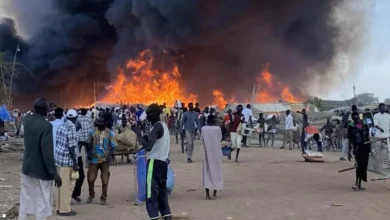
The city of Kuma in North Darfur witnessed a number of massacres against civilians during the second year of the April 15 war, due to the systematic bombing of the city by the army air force, which was subjected to 70 air raids in eight months. 62 people were killed, and 207 others were injured during a single raid in October last year. The number of casualties rose to 214 dead and hundreds injured during the specified time period.
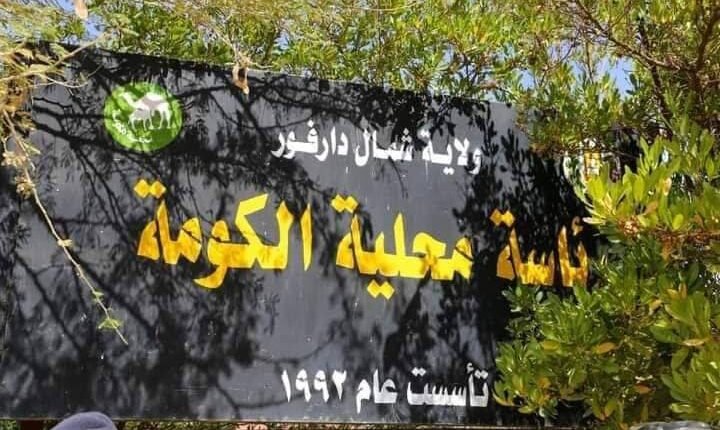
Al-Kuma is one of the localities of North Darfur state, located about 76 kilometers in the northeastern direction from the city of El Fasher, and the Western Rescue Road, which connects eastern Sudan with western Sudan, passes through it, and it represents a meeting point for travel to the cities of Nyala, El Geneina and Zalingei, and its strategic geographical location has earned it great importance.
Although Kuma has never witnessed the establishment of an army or RSF camp, or any other – and there are no security institutions other than a police station and the headquarters of the Security Service – it was one of the most heavily bombed areas in the Darfur region, with more than 83 air strikes, with an average of 7-8 barrel bombs per strike, all of which were in the city center.
Since April 4, 2024, to date, 213 people have been killed and more than 356 wounded. In addition to the destruction of 4 water sources, 153 residential houses, 257 shops, and the death of 951 heads of livestock, in a total loss estimated at millions of dollars.
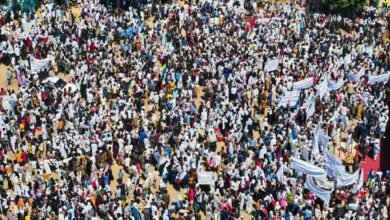
There are 21 shelters in Kouma, where 18,800 families are living, displaced people who came to the city to escape the fighting. The civil administration in Al-Kouma launched large-scale donation campaigns to organize relief convoys to the city, and urged humanitarian organizations, people of conscience, and the free media to work to stop these violations.
Al-Kouma citizens called on governments, international organizations, charities and individuals to intervene immediately and urgently, to provide the necessary assistance to save the lives of those affected, alleviate their suffering, provide logistical support and facilitate the arrival of aid, and provide psychological support to those affected by the bombing, especially children and women, to help them overcome the psychological trauma.