Khartoum: On Wednesday, the Coordination of Civil Democratic Forces (Taqaddam) condemned the Port Sudan government’s announcement of its withdrawal from the Integrated Food Security Phase Classification (IPC), adding in a statement today: “In a series of irresponsible and repeated decisions, the Port Sudan Authority announced its withdrawal from the IPC, an international tool used for comprehensive analysis to assess the severity of food insecurity across states and regions.”
The decision comes amid the escalating humanitarian and economic crisis caused by the war that erupted on April 15 between the Sudanese Armed Forces (SAF) and the Rapid Support Forces (RSF), which has severely hampered the state’s ability to address serious humanitarian challenges.
The Port Sudan government’s Minister of Agriculture justified the decision to stop participating in the IPC by accusing the organization of issuing unreliable reports that undermine Sudan’s sovereignty and dignity.
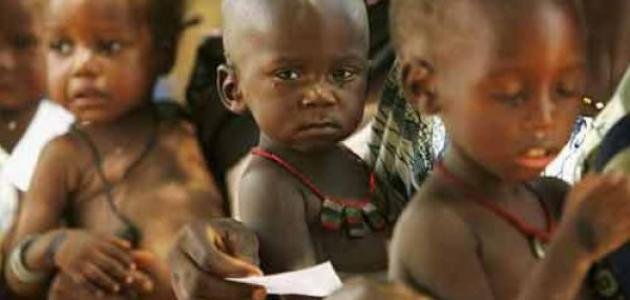
The withdrawal follows the Humanitarian Aid Committee’s (HAC) rejection last August of a HAC report highlighting severe hunger, “Phase 5,” in parts of North Darfur state and the Zamzam IDP camp. The report’s findings were further confirmed by a statement from Doctors Without Borders, which revealed that a child dies every two hours due to malnutrition in Zamzam camp.
“This unethical policy of denying the crises faced by the population and alleviating their suffering highlights the Port Sudan Authority’s lack of transparency on the humanitarian situation. It raises serious concerns about the reliability of its data on food security.
The withdrawal will inevitably affect the response of international organizations that rely on the CTC to identify areas in urgent need of assistance. Without accurate and internationally validated data, Sudan risks missing out on targeted support, worsening the humanitarian crisis.
The absence of CTC data will hamper efforts to address food insecurity, hinder the equitable distribution of aid, and complicate coordination between local and international humanitarian actors.
“These policies are a continuation of the legacy of the previous regime, which consistently denied humanitarian crises and refused to cooperate with the international community and its specialized institutions. These policies have left Sudanese citizens facing their challenges in isolation, devoid of efforts to alleviate their suffering. These practices require an urgent response from people of conscience, moral integrity and democratic values who prioritize the lives and livelihoods of the people over illusory political gains.
The Coordination stressed the need for the international community and its institutions to reassess their approach to engaging in these policies, take measures that protect civilians and ensure the effective delivery of humanitarian aid, as well as exert stronger pressure to prevent Sudanese lives from being held hostage to these irresponsible actions that continue to lead to disease, hunger and death.