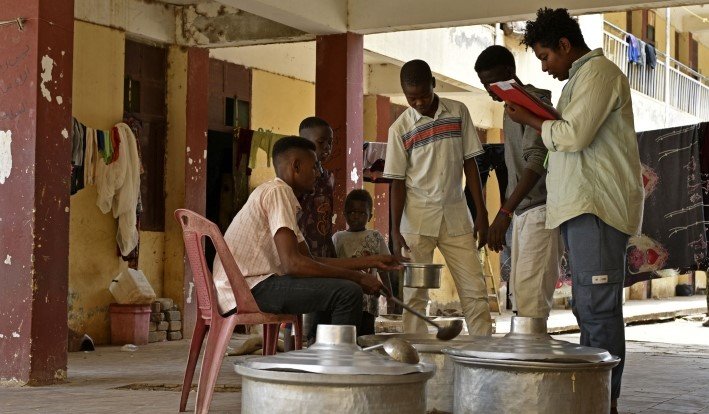
The Right Livelihood Foundation awarded its 2025 prize, known as the alternative Nobel Prize, to a number of activists and organizations around the world, most notably the Emergency Response Rooms Network in Sudan, in recognition of its pivotal role in building a resilient community model to provide humanitarian assistance in the midst of war and the collapse of state institutions.
The foundation praised the Sudanese network, which has become the backbone of humanitarian response within the country, providing healthcare, food aid, and education to millions of civilians in areas that are difficult for international relief organizations to reach. In a statement, it said: “The network has preserved people’s dignity in the direst circumstances and proven that popular solidarity is the hope of Sudanese people in the face of war and displacement.”
The list of winners also included:
The Pacific Islands Students Organization and activist Julian Agun, for their legal campaign for climate justice before the highest international courts.
Justice for Myanmar, for its role in exposing the financial structure and international support that sustains Myanmar’s corrupt military.
Taiwanese digital activist Audrey Tang, for her contribution to promoting digital democracy and reducing social divisions through technology.
Established in 1980, the Right to Live Award is one of the most prominent international awards honoring humanitarian and human rights initiatives that have not received the Nobel Prize and is referred to by the international media as the “alternative Nobel.”