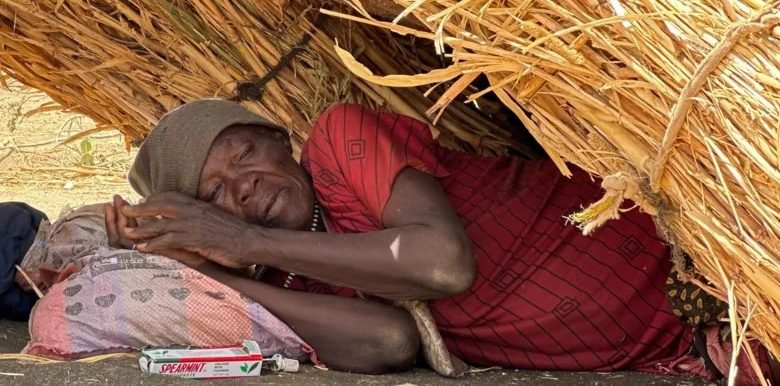
Rhino: Sudanese are eating leaves and charcoal to survive after fleeing an attack on a camp for displaced people near the city of El Fasher, an aid agency told the BBC.
Noah Taylor, head of operations for the Norwegian Refugee Council, told the BBC’s Newsday program: “The stories we’ve heard are truly horrific.”
El Fasher is the last city in Sudan’s western Darfur region under the control of the army and its allies. Earlier this month, the RSF attacked the nearby Zamzam camp, forcing tens of thousands to flee their makeshift shelters.
Many Zamzam residents have been there for two decades, having fled previous conflicts in Darfur.
The war between the RSF and the army erupted two years ago in a war that has killed an estimated 150,000 people and forced some 13 million people from their homes.
Aid agencies say it is the world’s worst humanitarian crisis.
But funding issues have led the United Nations to scale back its food aid to famine-stricken areas of Sudan.
This shows “the hallmarks of ethnic cleansing and may amount to crimes against humanity,” he said.
British Foreign Secretary David Lammy on Thursday urged the parties to the conflict to “give humanitarian actors the security guarantees necessary for the rapid delivery of aid.”
The UN Commissioner for Human Rights, Volker Türk, expressed concern about the situation, saying: “Victim assistance systems in many areas are on the verge of collapse, medical workers themselves are under threat, and even water sources have been deliberately attacked.”
He also expressed concern about “widespread reports of sexual violence”.
Noah Taylor warned that the Tawila region is struggling to cope with the influx of people fleeing their homes.
“There is very little food, very little water,” he said, adding that the small town currently houses between 130,000 and 150,000 people.
The RSF say they attacked the Zamzam camp, which the army-allied joint forces have turned into a military barracks but deny committing any crimes against civilians.