Reuters: A day after the prime minister stepped down and the army took power, students who organised protests in Bangladesh said on Tuesday they would press for Nobel laureate Muhammad Yunus to oversee the interim government
Bangladesh’s army chief is due to meet with student protest leaders today as the country awaits the formation of a new government a day after Prime Minister Sheikh Hasina resigned and left the country following violent protests.
Nearly 300 people have been killed and thousands injured in the violence that has engulfed Bangladesh.
Protest movement:
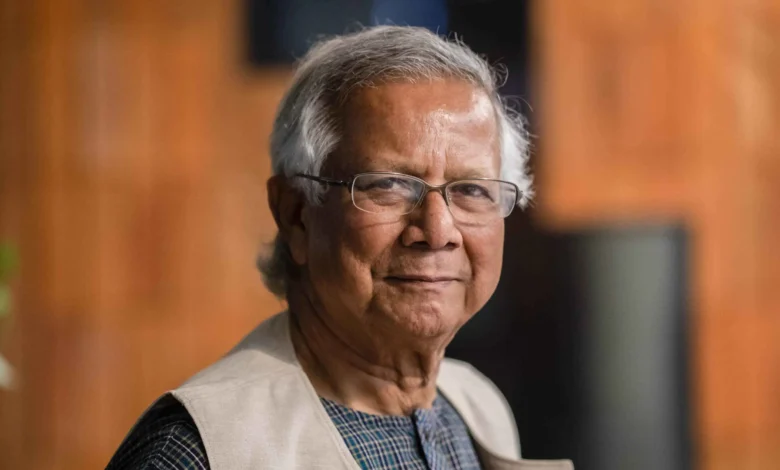
Early on Tuesday, leaders of student groups who led a protest movement against a quota system for government jobs that turned into a call for Hasina’s resignation said they wanted a new interim government with Nobel Peace Prize winner Muhammad Yunus as its main adviser.
Nahid Islam, one of the main organizers of the student movement, said in a Facebook video with three other organizers: “Any government other than the one we have recommended will not be acceptable. We will not accept any government that is supported or led by the military.)
“We had discussions with Mohamed Younis, and he agreed to honor our call and take on this responsibility.
Yunus, 84, and the Grameen Bank, which he founded, won the Nobel Peace Prize in 2006 for lifting millions out of poverty by giving small loans of less than $100 to the poor in rural Bangladesh, but a court charged him with embezzlement in June.
Younes has denied the charges. Younes is reportedly currently in Paris and has yet to respond to a Reuters request for comment.
Liberation Day II:
Yunus told India’s Times Now TV in a recorded interview that Monday marked the “second liberation day” for Bangladesh after the 1971 war of independence from Pakistan, but said citizens were angry with India for allowing Hasina to land there after leaving Dhaka.
The army said in a statement that army chief Wakiruzzaman plans to meet protest organizers at 12 noon local time (0600 GMT) on Tuesday, a day after he announced in a televised address that Hasina would resign and arrange for a new government to be formed.